
Solar isn’t just panels on a roof.
It’s a structural modification, an insured asset, and a permitted electrical system that lives on your home for 25+ years.
Most problems homeowners run into with solar don’t come from the panels themselves — they come from what wasn’t addressed before install.
Here’s the straight truth.
1. Structural Reality: Your Roof Is the Foundation
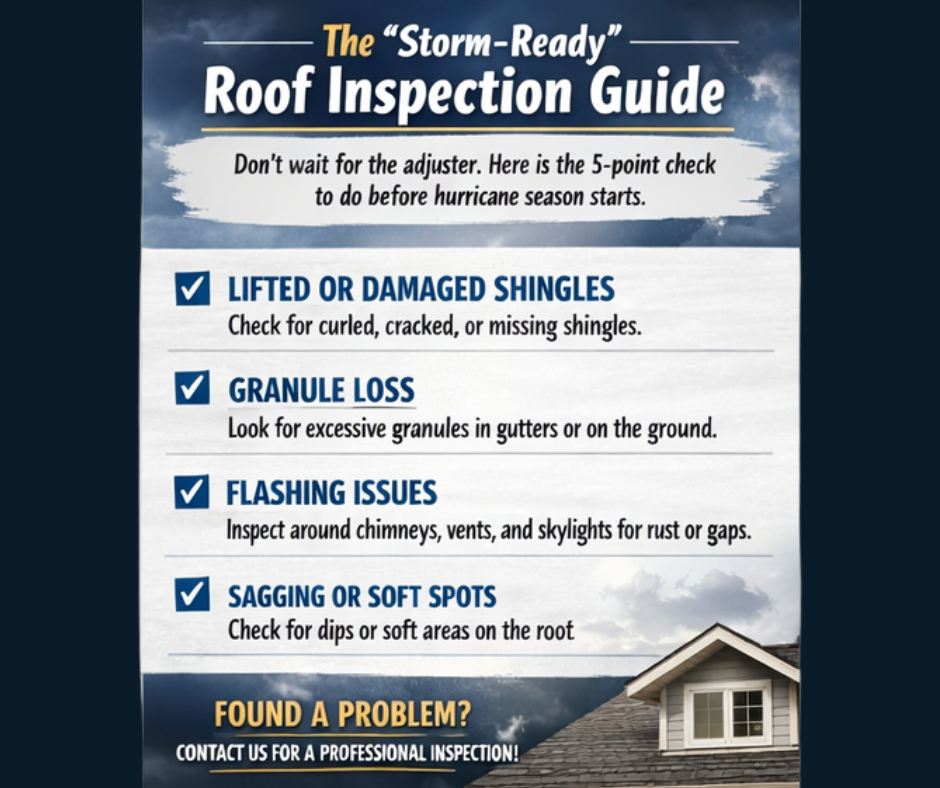
Every solar array transfers load into your roof system. That load must be properly distributed into rafters or trusses — not decking, not guesswork.
What actually matters:
- Roof age and remaining life
- Rafter or truss spacing and condition
- Load calculations (dead load + uplift + wind zone)
- Proper attachment methods (not just “industry standard” clips)
On the Gulf Coast, wind uplift is the bigger issue than weight. A system that isn’t engineered correctly can become a liability in a major storm.
A real solar company:
- Verifies roof structure before install
- Uses engineering letters when required
- Adjusts attachment patterns for wind exposure zones
If a company says “your roof is fine” without documentation — that’s a red flag.
2. Insurance Reality: Solar Changes Your Risk Profile
Once solar is installed, your home is no longer insured the same way — whether your carrier tells you or not.
Key insurance facts homeowners should know:
- Solar is considered a permanent improvement
- Some carriers require notification and documentation
- Improperly permitted systems can be denied in a claim
- Roof damage claims can be complicated by poor installs
If a system causes a roof leak, fire, or structural issue and:
- the install wasn’t permitted, or
- the workmanship wasn’t verifiable, or
- the system wasn’t disclosed
you could be stuck between the installer and the insurer.
A proper installer provides:
- Permit records
- Electrical inspection approvals
- System documentation for insurance files
That paper trail protects you, not us.
3. Inspection Reality: Solar Is Reviewed by Multiple Authorities
Solar installs aren’t inspected once — they’re inspected in layers.
Typically:
- Electrical inspection (NEC compliance)
- Structural or mounting review (jurisdiction dependent)
- Utility review before Permission to Operate (PTO)
Inspectors don’t care about sales promises.
They care about:
- Conduit routing
- Grounding and bonding
- Labeling
- Rapid shutdown compliance
- Attachment spacing and flashing integrity
If something fails inspection, it’s not cosmetic — it delays PTO and can cost real money to correct.
The cheapest quote often becomes the most expensive after inspections.
4. Why This Matters Long-Term
Solar is supposed to reduce risk, not add it.
A properly designed system:
- Strengthens your home’s long-term value
- Is transferable during resale
- Is defensible in an insurance claim
- Survives storms and scrutiny
A rushed or sloppy system becomes:
- A negotiation problem during resale
- A liability during storms
- A nightmare during claims
The Golden Solar Standard
At Golden Solar, we treat solar as infrastructure — not a gadget.
That means:
- Structural awareness from day one
- Insurance-safe documentation
- Inspection-ready workmanship
- Systems built to pass today and hold up tomorrow
If solar is going on your roof, it should be done in a way that honors the structure beneath it and the home it protects.
Because panels are replaceable.
Your roof, your insurance, and your peace of mind are not.